Frequently Asked Questions

38 questions, answered honestly.

Tap a section. Tap a question. Plain answers, deep work.

01 · What is fascia therapy

The science layer.

What fascia is, what makes deep fascia therapy distinct from regular massage, and why pain in one place often comes from somewhere else.

What is fascia, in plain language? +
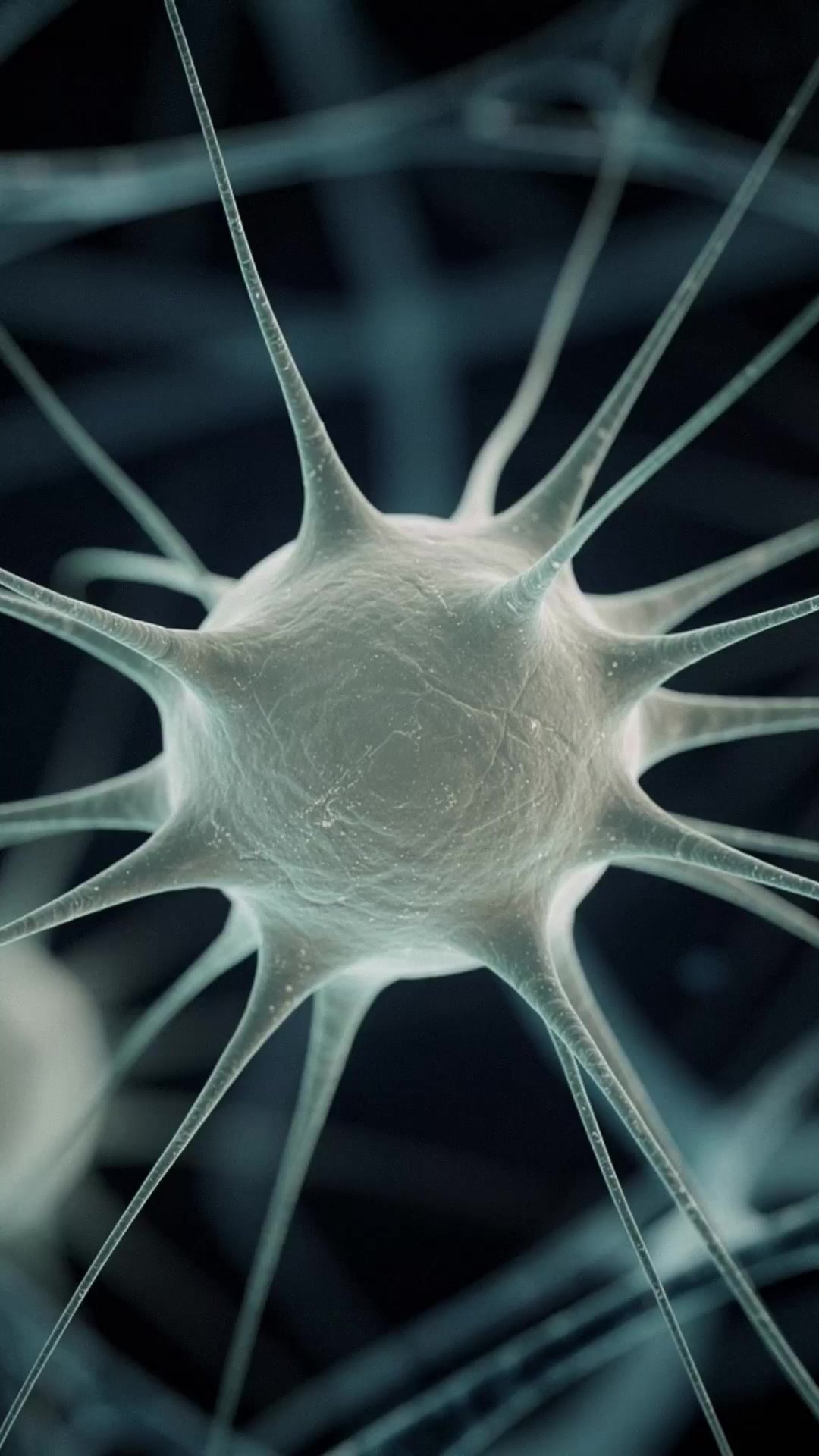
Fascia is the connective tissue that wraps every muscle, bone, organ, nerve and blood vessel in your body. It's a single continuous web — there is no point where one piece of fascia ends and another begins. It holds you in shape, transmits force, communicates between cells, and stores tension. When fascia is healthy it slides; when it's restricted it pulls — often in a different place from where you feel the pain.
What is Deep Fascia Massage Therapy and how is it different from regular massage? +
Deep Fascia Massage Therapy is a clinical, layered approach that targets the fascial system — not just the muscle. Regular massage works on the surface, with the goal of relaxation. Deep fascia work goes through three planes — superficial, intermediate, and deep — and addresses the root pattern that's pulling on your tissue. It's slower, more conversation-led, and clinically focused on a specific issue rather than a general sense of relaxation.
Is this the same as myofascial release? +
Myofascial release is part of the toolkit, but the PPW approach goes further. It integrates the ECM (extracellular matrix) model, tensegrity principles from biomechanics, and the Schleip-Guimberteau-Stecco research lineage. It's a deeper, more architecturally aware version of myofascial work, informed by 11+ years of clinical practice and ongoing study at the cellular level.
Will Deep Fascia Therapy fix my back pain / neck pain / hip pain? +
In most cases — yes, eventually. The honest answer is that it depends on the pattern. If your pain is fascia-led (which 70%+ of musculoskeletal pain is), the right therapy resolves it. If there's a structural cause that needs medical attention — a disc, a fracture, an organic disease — Vic will tell you on the first session and refer you to the right specialist. Therapy works best when paired with the take-home self-practice.
Why does pain in one place often come from somewhere else entirely? +
Because fascia is one continuous web. A restriction in your hip flexor can pull on your lower back. A scar from an old appendix surgery can torque your shoulder. The muscle where you feel the pain is usually the loudest, but rarely the source. This is why so much back pain doesn't respond to back work — the back is the symptom, not the cause.
02 · What to expect

On the day of your session.

How long, what to wear, whether it hurts, and whether you can bring someone with you.

How long is a session? +
All sessions are 90 minutes. The first 10–15 minutes is intake — postural read, history, presenting pattern. The next 65–70 minutes is hands-on work. The last 5–10 minutes is debrief and take-home self-practice.
What should I wear? +
Loose, comfortable clothing you can move in. Athletic wear or yoga clothes work. You'll be asked to undress to your underwear for most of the session and will be properly draped throughout, so wear underwear you're comfortable in. If you have any modesty concerns, mention them at the start — Vic adjusts the protocol accordingly.
Will it hurt? +
Deep work is intense, not painful. There's a clear distinction. The work goes deep enough to reach the fascial planes that need release, but you should always be able to breathe through it. If anything feels sharp, electric, or unbearable, you tell Vic and he adjusts. The phrase to remember is "good pain, not bad pain" — the kind that releases as you breathe.
Can I bring someone with me? +
You can bring someone for the intake conversation if it helps. They'll be asked to wait in the reception area during the hands-on work. For minors (under 18), a parent or guardian must be present and can stay in the room throughout.
03 · Pricing

What it costs and why.

Single sessions, packages, programmes, and emergency slots. The full breakdown lives at /therapy-pricing.html.

How much does a single session cost? +
A single 90-minute session is MUR 4,500. 3-session packages are MUR 12,000 (saves MUR 1,500). 6-session programmes are MUR 22,500 (saves MUR 4,500). Emergency / late-night slots are MUR 7,500. Full pricing breakdown at /therapy-pricing.html.
Why are packages cheaper than singles? +
Because most chronic patterns need more than one session to fully resolve. The discount on packages reflects the commitment from both sides — you commit to the protocol, Vic commits to the multi-session arc. Single sessions exist for maintenance, single-issue cases, and people who want to test fit before committing.
Do you take payment plans? +
Not at the moment. Sessions are paid in full at the time of booking — by bank transfer (MCB / SBM), cash, Juice, or card. If a programme cost is genuinely a barrier, get in touch — there's occasional flexibility for clients with severe ongoing pain who can't access regular care otherwise.
04 · Frequency

How often, how soon, how many.

The right cadence depends on the pattern. Acute issues, chronic patterns and maintenance all run different rhythms.

How often should I come? +
For acute issues — every 7–14 days until resolved, then a maintenance cadence. For chronic patterns — weekly for the first 3 sessions, then spaced out as the pattern stabilises. For maintenance once you're well — every 4–8 weeks. The exact rhythm is set after the first session, based on what your tissue actually does.
Can I have a session every day? +
No. The body needs time to integrate the work. Daily sessions overload the nervous system and don't compound — they just exhaust. Minimum spacing is 4 days between sessions, except in elite-athlete acute injury cases where Vic and the client agree to a faster sequence.
How many sessions before I feel better? +
Most clients feel a significant change after the first session. Full resolution of a chronic pattern usually takes 3–6 sessions. If you don't feel meaningful improvement after 2 sessions, Vic will tell you honestly and discuss whether to continue, change approach, or refer you elsewhere. No multi-month commitment is ever pushed.
From the table

Two real reviews — different conditions, same pattern of resolution.

★★★★★
Victor is an amazing find; thank you Sir. I have had shoulder issues, he clearly knows the body and it's mechanics. I already have several more sessions booked. True practitioners are incredible to come across.
Matthew Armstrong3 years ago · Google · 8 reviews
★★★★★
Victor has been a great help with my shoulder pain. In addition I'm sleeping like a baby after each session. A pleasant discovery on the island, highly recommend!
Ksenia Kruglova3 years ago · Google · 2 reviews
05 · Contraindications

When you should not book.

Honest list. If anything here applies to you, email Vic before booking — he'll tell you whether a session is the right call.

When should I NOT book a session? +
Avoid booking during active fever or infection, in the first trimester of pregnancy, less than 6 weeks after surgery, with unstable cardiac conditions, with deep vein thrombosis, in active cancer treatment without your oncologist's approval, with severe osteoporosis, or with open wounds in the area to be worked. Email Vic first if you're unsure — he'll tell you honestly whether a session is the right call.
Can I have therapy if I'm pregnant? +
Not in the first trimester. From the second trimester onwards, with your obstetrician's clearance, gentle prenatal-adapted sessions are possible. Postnatal work is highly recommended and can start from 6 weeks after birth (or longer if there were complications). Pregnancy work follows a modified protocol — no abdominal work, side-lying positioning, lighter pressure.
Can I have therapy after surgery? +
Generally not until at least 6 weeks post-surgery and only with your surgeon's clearance. Once cleared, scar-tissue and fascial-adhesion work is one of the highest-value applications of this therapy — it stops post-surgical scar tissue from torquing the rest of the system. Bring your discharge notes to the first session.
06 · Post-session

The 24-72 hours after.

What to do, what's normal, when to be in touch.

What should I do after the session? +
Hydrate. Walk gently. Avoid hard training, alcohol, and big meals for the rest of the day. The body integrates fascia work for 24–72 hours after — you may feel deeply tired, slightly emotional, or notice the issue 'move' to a different area. This is normal. The take-home self-practice supports the integration.
Is it normal to feel sore the next day? +
Some soreness in the worked area is normal and usually gone by day 3. It feels like the soreness after a deep workout — dull, not sharp. If you feel sharp pain, sudden swelling, or anything new and alarming, contact Vic immediately. The 24-hour follow-up check-in (built into emergency slots, available on request for any session) catches anything that warrants attention.
Can I train / play sport after a session? +
Light movement (walking, gentle yoga, easy swimming) is encouraged. Hard training — heavy lifting, sprint work, contact sport — should wait at least 24 hours. The fascia is in a re-integration phase and loading it too soon doesn't undo the work, but it does waste it.
07 · How PPW differs

What "depth" means in practice.

Why this is not a spa, why the words "burnout" and "fascia" mean specific things here, and where the academic foundation comes from.

What makes PPW different from other therapy in Mauritius? +
Three things. First — depth: the PPW approach is built on a sports-science degree, biomechanics training, fascia intelligence, and 11 years of hands-on practice. Most manual therapy in Mauritius doesn't have that academic-clinical layering. Second — clinical seriousness: every session has an intake, a presenting pattern, a protocol, and a debrief. It is not a spa experience. Third — the framework: PPW connects therapy, self-practice protocols, and corporate wellness into a single Long Term Athlete Development model adapted to ordinary careers.
Why does the PPW website talk so much about "depth" and "levels"? +
Because the wellness industry uses every word loosely — burnout, fascia, holistic, healing — without backing them with anything. Vic's position is that unless you've studied physiology, biomechanics, sports development frameworks, hands-on manual therapy, fascia intelligence, and continuing study to the cellular level, you can't really explain or help people get rid of burnout. There are levels to this work. PPW exists to set the standard.
Is Victor a doctor / physiotherapist / chiropractor? +
No. Victor is a deep fascia massage therapist with a BSc (Hons) in Sports Studies from the University of Hertfordshire, advanced training in biomechanics and the Pilates Method (fascia intelligence), and 11 years of clinical practice. He is not a registered medical practitioner and does not diagnose medical conditions, prescribe medication, or replace your GP. He works alongside doctors, physios, osteopaths and chiropractors regularly — and refers clients to them when their case requires it.
08 · Doctor's notes & insurance

The medical-legal layer.

What PPW does and does not provide on paper. Insurance, sick certificates, and treatment plans.

Will I get a doctor's note or sick certificate? +
No. PPW is private practice, not a registered medical clinic. Sick certificates are issued by GPs and registered medical specialists only. If you need a sick note, see your doctor.
Can I claim the cost back from my health insurance? +
It depends entirely on your insurer. Some Mauritian health insurance policies cover manual therapy with the right paperwork; many do not. PPW provides a clean receipt with date, duration, service description, and the practitioner's name. Show that to your insurer to ask whether reimbursement is possible. PPW does not chase insurers on your behalf.
Do you provide a written treatment plan? +
For 6-session programmes — yes, a one-page protocol summary is provided after the first session. For single sessions and 3-session packages, the plan is verbal and supported by a take-home self-practice document. Written plans for medical-legal purposes (e.g. accident claims) are not provided — that's a doctor's role.
09 · Corporate seminars

Workplace wellness, in business terms.

Format, pricing, geographic reach, and whether small teams can book. Full breakdown at /workplace-wellness.html.

What corporate / workplace seminars do you run? +
PPW runs workplace seminars built on the Long Term Athlete Development (LTAD) model adapted to corporate teams. The default format is a 90-minute session for 20–80 people that covers Stage 1 (Foundation) — body literacy, breath, posture, fascia awareness, and the early-signal protocol. Larger engagements run quarterly or annually with multi-stage delivery. Full breakdown at /workplace-wellness.html.
How much does a workplace seminar cost? +
Single 90-minute seminars start at MUR 45,000 ex-VAT, ex-travel, for 20–80 employees. Quarterly programmes start at MUR 240,000 per quarter. Annual on-site programmes start at MUR 840,000 per year. Pricing scales with team size, sector, and depth of engagement. Send a brief enquiry via /workplace-wellness.html#enquire and you'll get a one-page proposal within 2 working days.
Do you travel for seminars? +
Yes — across Mauritius, and regionally on request (Reunion, Madagascar, Seychelles). Diaspora and international engagements are considered case by case. Travel costs are added to the seminar fee transparently in the proposal.
Can a small team (under 20 people) book a seminar? +
Yes — for teams of 8–20, the minimum-size delivery is the same 90-minute Foundation seminar at the same starting fee, because the preparation and travel time don't reduce. For teams of fewer than 8, a small-group workshop or executive 1:1 session is often a better fit.
10 · Protocol PDFs

The take-home self-practice library.

What the protocols are, whether you need a session to use them, and where to download.

What are the PPW Protocol PDFs? +
Take-home self-practice protocols built in the clinic and refined on real clients. Anti-Aging (cellular longevity), Peak T (male vitality), Hormonal Intelligence (cycle-aware endocrine support). Each is a structured PDF you download, follow daily, and can pair with the optional supplement stack. Built so you can do the daily work between (or instead of) hands-on sessions.
Can I use a protocol without ever booking a session? +
Yes. The protocols are designed to work standalone. Many people use them for years before ever booking a session — and many people who book sessions also follow a protocol daily. They're complementary, not gated behind each other.
Where do I download the protocols? +
At /protocols/ on the PPW website. Free to download. The supplement stacks that pair with each protocol are available at /shop/.
11 · The app

The PPW app — in development.

What it'll do, when it launches, what it'll cost.

Is there a PPW app? +
In development. The app will deliver guided self-practice protocols, daily check-ins, fascia education, and progress tracking — all in one place. Join the waitlist on the homepage to be notified when it launches.
What will the app cost? +
Pricing is being finalised. The intent is a free tier (basic protocols + education) and a paid tier (full protocols + 1:1 messaging with Vic + advanced tracking). Final pricing will be announced at launch — waitlist members get a foundation-member discount.
12 · Affiliates & partnerships

If you want to refer or partner.

Affiliate brief, professional referrals, and how the partnerships layer works.

Can I become an affiliate or refer clients? +
Yes. The PPW affiliate programme rewards introductions to clients, corporate engagements, and supplement stack purchases. Email partnerships@ppwellness.co for the affiliate brief. Referrals from existing clients are tracked when the new client mentions you on intake.
Can I partner with PPW as a doctor / physio / coach? +
Yes — and Vic actively prefers this. The healthiest clinical relationships are the ones where therapists, doctors, physios, osteopaths, chiropractors and coaches refer to each other when a case needs a different lens. Reach out via /partnerships/ and Vic will respond personally.

Question not here?

Email Vic — he reads every message. New questions get added to this page so the next person finds the answer too.